

Blog
If you're a family caregiver, adult child of an aging parent, or simply seeking reliable information on senior health and wellness, the Valley of the Sun Homecare blog is here to help. Our expert-curated articles cover everything from memory care to seasonal safety tips, grounded in real-life caregiving experience and trusted local resources.
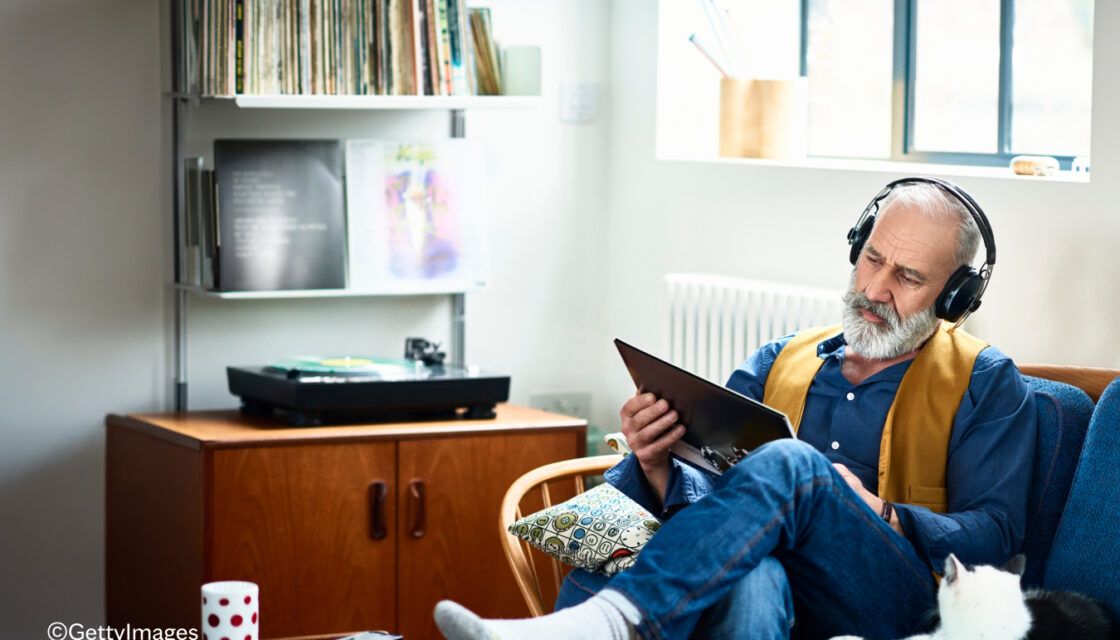
Aging in place: Living safely at home
Mayo Clinic Press Editors
As more Americans age, they have to contend with the question: Where will they choose to age? Staying at home can be risky – but it can be a source of comfort while also reducing hospitalizations and delaying nursing home care.
On this episode of Aging Forward, Dr. Sarah Nosal discusses the benefit of staying in a familiar environment to one’s functionality, as well as their emotional, physical, and cognitive health.
Christina Chen, M.D.: We are now living longer than ever before. And with that gift of longevity comes a very important question: “Where and how do we want to age?” And for most older adults, the answer is very clear. They want to stay in homes that they are familiar with, and they want to do that with their families.
This is “Aging Forward,” a podcast from Mayo Clinic about the science behind healthy aging and longevity. Each episode, we explore new ways to take care of our long-term health, the health of our loved ones, and our community, so we can all live longer and better.
more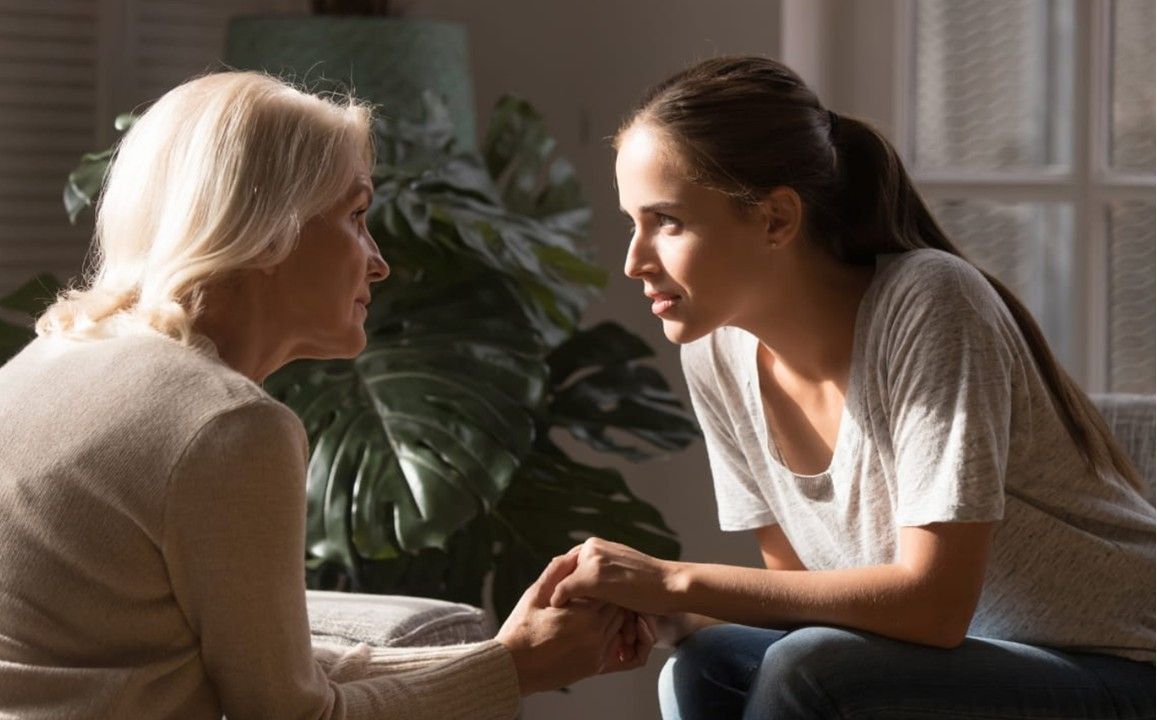
Three Ways to Communicate with Someone Living with Dementia
By Regan Olsson , Contributing Writer, Banner Health
When someone you know is living with Alzheimer’s disease or another dementia, you may notice changes in how they talk, act or respond to you. As the disease progresses, it can change how they understand others and express their thoughts and emotions.
You may worry about saying the wrong thing or feel unsure when they forget your name or repeat the same question. But even as memory and language change, one thing doesn’t: the need to feel seen, heard and valued.
“Communication is how we connect,” said Janice Greeno, MA, the senior outreach program manager at Banner Sun Health Research Institute and Banner Alzheimer’s Institute. “Even when words are hard to find, people with dementia still need to be understood, respected and included.”
You don’t have to be perfect to connect – you just have to be present. Whether you’re a family member, neighbor or friend, you can use simple communication strategies to build trust and make someone living with dementia feel safe and supported.
Read on to learn why communication still matters with dementia and three important ways to connect and communicate.
Why communication still matters with dementia
more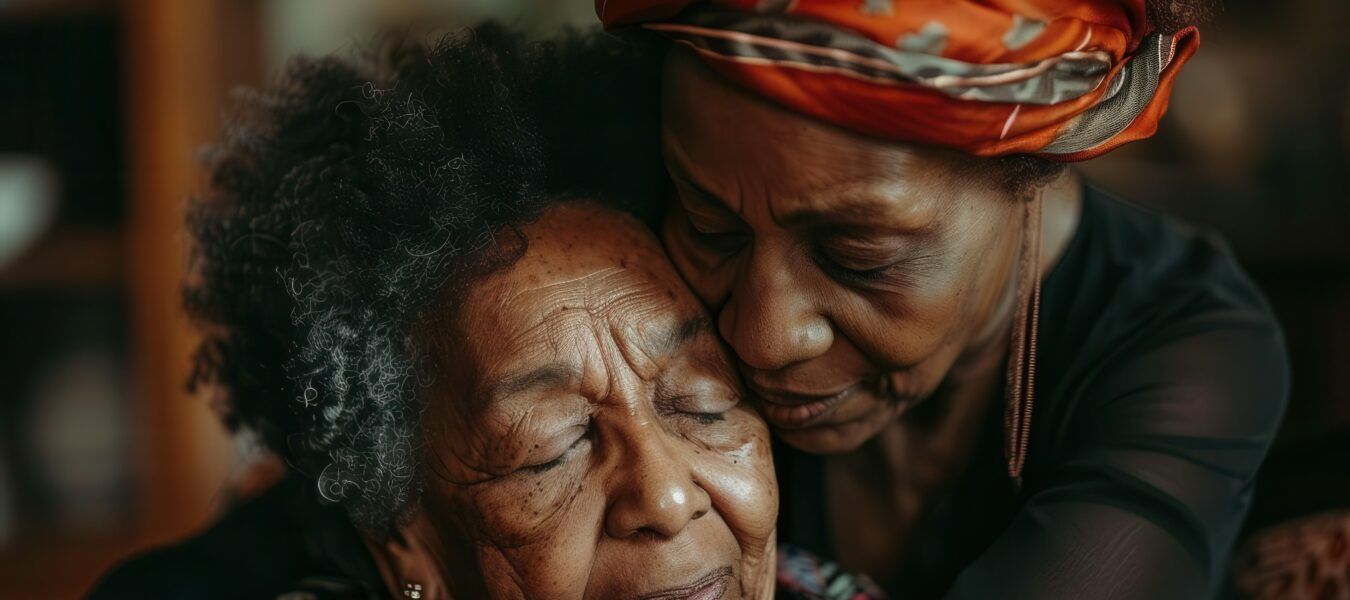
Why People With Dementia Prefer Aging in Place, Despite All The Missing Supports
Emma Britez Ferrante and Catherine (Katie) Auriemma, MD, MSHP
Many Patients And Care Partners Don’t Plan For Future Needs Until Forced To Do So, LDI Fellows Find
bout one in nine Americans age 65 and older live with Alzheimer’s dementia. As the U.S. population of older adults continues to grow, the number of Americans living with Alzheimer’s disease and related dementias is projected to grow as well, from 6.9 million in 2024 to 13.8 million by 2060.
Aging in place—or remaining at home as you age – is the preferred option for many older adults. Indeed, the practice is often promoted by clinicians and policymakers. For people with dementia, this often requires caregiving support from family or loved ones. To better understand how decisions about aging in place are made, we conducted a study, published in the Journal of the American Geriatrics Society, in which we interviewed 74 key stakeholders.
more
Caregiver stress: Tips for taking care of yourself
Mayo Clinic Staff
Caring for a loved one strains even the most resilient people. If you're a caregiver, take steps to preserve your own health and well-being.
As the population ages, more people are doing caregiving. About 1 in 3 adults in the United States is an informal or family caregiver.
A caregiver is anyone who helps another person in need. A person in need might be an ill spouse or partner, a child with a disability, or an aging friend or relative.
Caregivers report higher levels of stress than do people who are not caregivers. It's important for caregivers to know that they, too, need help and support.
Caregiving is rewarding but stressful
Caregiving can have many rewards. For most caregivers, caring for a loved one feels good. And it can make your relationship stronger.
But the demands of caregiving also cause emotional and physical stress. It's common to feel angry, frustrated, worn out or sad. And it's common to feel alone.
Caregiver stress can put caregivers at risk of changes in their own health. Factors that can increase caregiver stress include:
- Caring for a spouse.
- Living with the person who needs care.
- Caring for someone who needs constant care.
- Feeling alone.
- Feeling helpless or depressed.
- Having money problems.
- Spending many hours caregiving.
- Having too little guidance from health care professionals.
- Having no choice about being a caregiver.
- Not having good coping or problem-solving skills.
- Feeling the need to give care at all times.
Staffing shortages exist outside of nursing homes, and it's hurting older adults
KJZZ | By Kathy Ritchie
As Arizonans age, there’s data showing that they, along with most older Americans, want to age at home. But studies also show many will need some type of long-term service or support at some point — if not already. But just like in nursing homes, organizations that help older adults age in place are facing severe staffing shortages.
After 31 years of supporting older adults, Mary Beals-Luedtka says the last two years have been the toughest of her career.
"I think right now we're really suffering with the lack of workforce," she says. "I think that's our No. 1 issue."
Beals-Luedtka is the Area Agency on Aging director for the Northern Arizona Council of Governments. Her job is to manage a team of social workers and support staff who assess and coordinate in-home care for older, homebound seniors living in rural Arizona.
Her organization also subcontracts with agencies that hire caregivers who go into the home.
"For instance, personal care, attendant care, housekeeping, those kinds of things," she said.
more
Giving the Gift of Care: How Elderly Care Can Help Seniors Enjoy the Holidays
December 8, 2016
Fruitcake? A pair of socks? Another knick-knack for the already overloaded mantel? Trying to think of the perfect holiday gift for a senior loved one seems to get more challenging as each year goes by. What would be the best way to show your deep love and appreciation for someone who’s given so much of herself throughout her lifetime?
At Valley of the Sun Homecare, we’d like to propose something different this holiday season for a senior who means the world to you: the gift of professional in-home elderly care. Here are just a few ways home care can make a lasting difference in the life of a senior:
- Keeps seniors active. It’s easy to fall into a more sedentary lifestyle when the effects of aging make it difficult to get out and about. Caregivers are experienced in providing encouragement and motivation for older adults to participate in physician-approved exercise programs, engage in fun pastimes and activities, and even provide safe transportation and accompaniment to allow them to visit friends, attend religious services, and enjoy events in the community.
- Enhances socialization. For many seniors who’ve experienced loss of friends in later years, feelings of loneliness and isolation are common. Valley of the Sun Homecare’s elderly care experts form a bond with the seniors in their care, providing them with a friendly companion for meaningful conversations, reminiscing, laughing together, playing cards and games, and more.
- Improves overall health and wellbeing. With a professional caregiver on hand to pick up prescriptions, provide reminders to take medications as prescribed, transport seniors to medical appointments, and note any changes in condition that can be reported immediately to the doctor, health and wellness are enhanced.

Breathe Easier with These COPD Tips | Scottsdale Home Healthcare
November 21, 2016
Taking a deep, cleansing breath can relieve stress, help us relax, reduce pain, and even create a better acid/alkaline balance in our bodies. But for those with COPD, the thought of breathing deeply can have the exact opposite effect: inducing feelings of anxiety about the coughing and wheezing to follow.
In fact, COPD fears can create a vicious cycle that can actually exacerbates symptoms:
- The senior with COPD is so concerned about engaging in any activities that might cause symptoms to flare, she avoids them altogether
- Reduced activity leads to weakened muscles
- Muscle weakness results in more breathing problems, causing feelings of depression or despondency
- Depression causes the senior to limit activities…and so on
In celebration of COPD Awareness Month, Valley of the Sun’s Scottsdale home healthcare experts want to help COPD patients learn to breathe easier, lessoning symptoms of flare-ups and creating a new cycle of better health.
These two breathing techniques are especially helpful for those with COPD:
more
Scottsdale Home Care Tips for Staying Active with Alzheimer’s
November 10, 2016
In just the time it took you to walk out to your car this morning, another person was diagnosed with Alzheimer’s – joining the more than 5 million others struggling with the disease. Since November is recognized as National Alzheimer’s Disease Awareness Month, we at Valley of the Sun Homecare want to help seniors with Alzheimer’s, and those who care for them, to experience the highest possible quality of life. Remaining physically and mentally active is of paramount importance, and these tips can help:
Sadly, many seniors with dementia begin to live much more sedentary lives. But the benefits of appropriate exercise for those with dementia far outweigh any potential concerns, including improved sleep, mood, confidence, self-esteem, and cognition, in addition to reduced risks of health problems such as heart disease, high blood pressure, osteoporosis and even cancer. Check first with the senior’s physician for approval, and then try the following to keep your loved one with dementia physically fit:
more
Age-Related Fears that Home Care Helps Seniors Avoid
October 25, 2016
It’s the time of year when fears – all in good fun – are everywhere we turn. Stores are brimming with ghosts, ghouls and goblins; from costumes for kids and pets to spooky home décor. Normally friendly neighborhoods are suddenly draped in cobwebs, pumpkins carved into grimaced faces, and witch brooms parked beside front doors.
While we fully accept, and even enjoy, this temporary frightening reality, one area in which we should never have to be afraid is aging. Although today’s seniors may indeed imagine a cauldron of scary aging scenarios, Valley of the Sun Homecare is here to provide reassurance with two magic words: home care.
A professional and reputable home care agency, such as Valley of the Sun Homecare, can turn the following common fears of aging into opportunities for growth and a renewed zest for life:
- Loss of independence. While it’s true that in later years, many seniors need to stop driving for safety’s sake, home care agencies provide safe, reliable transportation and accompaniment services, all according to the senior’s preferences. If a senior enjoys grocery shopping and lunch out every Friday afternoon, faithfully attending religious services each weekend, and visiting with friends for a weekly card game, these routines, along with impromptu outings, can easily be arranged so that seniors stay active and engaged.
- Loneliness. The loneliness experienced by seniors who find themselves homebound, or who’ve lost friends and family members as they age, is eased with the friendly, compassionate companionship of a professional in-home caregiver. Agencies can carefully match clients with caregivers according to personality types, interests, and more, ensuring a close bond unlike any other.
- Depression. Depression is a real threat for the elderly, who may be struggling through chronic illnesses, recovering from a fall that resulted in a hospitalization, or are facing other challenges in life. Home care agencies such as Valley of the Sun Homecare can help seniors receive the medical care they need to treat clinical depression, pick up prescriptions, prepare meals and assist with light housework, participate in enjoyable activities and more to help seniors focus on recovery and rediscovering the joys of life.

Planning Ahead for Long-Term Care Following a Parkinson’s Disease Diagnosis
October 4, 2016
A diagnosis of Parkinson’s disease is the first step in a long journey in which the scenery can change from one day to the next. Navigating each step is much easier with a caring support system – both for the Parkinson’s patient and for the family providing his care. And what better source for support than those who are walking that same path?
Valley of the Sun Homecare understands the importance of long-term care planning in chronic conditions such as Parkinson’s disease, and shares the following tips compiled from families who are also working their way through life with Parkinson’s:
- Plan early. Putting together a plan for the major decisions that need to be made, according to your loved one’s wishes, is easiest when done as soon as possible following a diagnosis of Parkinson’s disease. Think through financial planning, discuss home health care, and make sure a will and other legal documents are in order. It brings a feeling of relief to have these details handled early, and allows you to shift focus to enjoying quality time with your loved one.
- Educate yourself about the disease. Knowledge is empowering. Ask your doctor to recommend trusted resources, and arm yourself with knowledge by learning as much as you can about common symptoms throughout the progression of the disease, treatment options, sources for support, and more.
- Begin an exercise regimen. With the doctor’s approval and recommendations, encourage your loved one to stay active through exercise and physical therapy, which are shown to help with the rigidity and balance issues that often occur in those with Parkinson’s disease. And, exercising alongside your loved one can provide additional motivation and support for both of you!
- Stay flexible. Parkinson’s disease can affect each individual person differently, so keep in mind that what you learn from one family’s story will likely not exactly mirror your own. While it is important to be as fully prepared as possible for the future, it’s equally important to keep an open mind and take each day as it comes.
- Find support. As noble as it is to want to be the sole provider of care for your loved one, it’s best for both yourself and the person with Parkinson’s disease to have a team of caregivers in place, allowing for the crucial respite time away that will keep you healthy, balanced, and best equipped to provide care.
Alzheimer’s Caregivers Talk the Talk: Top Tips for Communicating with a Loved One with Alzheimer’s
September 20, 2016
Connecting with others is one of the most basic human necessities: sharing the ups and downs of life, discovering commonalities, and growing closer to those we care about. In fact, it’s so crucial to our wellbeing that isolation from relationships can result in the same negative health effects as smoking, obesity and high blood pressure.
When a loved one’s ability to communicate is impacted because of Alzheimer’s disease or another form of dementia, how can that critical connection be maintained?
Valley of the Sun Homecare’s professional Alzheimer’s caregivers have some tips to help bridge the communication gap.
- Stay upbeat. Your attitude, whether positive or negative, will come through just as clearly, if not more so, than your words. Keep your body language, facial expression, and tone of voice relaxed, friendly, and positive.
- Minimize distractions. Give your loved one your full attention, and capture as much of hers as possible – quiet the atmosphere by turning off the TV or radio, silence your cell phone, and close the door.
- Speak clearly. In a calm voice, use short and simple sentences to engage your loved one. If she doesn’t seem to understand, try repeating or rephrasing after a few moments. Using proper names of friends, family, places, etc. rather than pronouns can also help avoid confusion.
- Be patient. Allow your loved one as much time as needed to respond to you, and realize that her answer may be communicated in ways other than verbally, such as through a smile, frown or hand gesture. Understanding the feelings underneath is what’s most important.
- Use humor. Laughing together is a wonderful way to connect, and those with Alzheimer’s disease or dementia often retain the social skills associated with humor. Of course, be sure your humor is directed away from the person herself. Recalling funny stories from the past may be especially impactful.

Valley of the Sun Homecare’s Caregiver Training Improves Senior Care Services and Health
September 9, 2016
When a senior loved one needs assistance at home, families have a variety of options from which to choose. Some look to neighbors and friends for volunteer help or for recommendations on caregivers they’ve hired in the past. Others scan the classified section of the newspaper to find someone offering a low hourly rate in order to cut costs.
But statistics now confirm what we at Valley of the Sun Homecare have long known firsthand: professional, extensively trained caregivers not only provide the highest quality senior care services, but are actually keeping seniors out of the hospital.
The findings of a recent study performed by researchers at the University of California-San Francisco revealed that as many as 24% fewer seniors experienced repeat emergency room visits when cared for by workers who received one year of intensive training, and a whopping 41% fewer hospitalizations for those with caregivers who completed two years of training.
Types of training that most impact a senior’s ability to remain safe at home and avoid trips to the emergency room include:
more
Early Burdens: Eldercare Falls on Young Shoulders
By Jane E. Allen, ABC News Medical Unit
At 30, Suzette Armijo cares for her widowed 86-year-old grandmother, a retired National Park Service ranger in the final stages of Alzheimer's disease, while holding down a fulltime job, a part-time job and raising a 4-year-old son.
"This was nothing that I had planned for," says Armijo, who moved her grandmother Elizabeth Armijo into a nearby six-bed assisted living home because veterans' benefits "wouldn't pay for her to live with me." Still, she says, "I have to do everything for her, aside from her bathing. There's always something new going on with her medically."
Besides her fulltime marketing job with a Phoenix retirement community, Armijo supplements her income with outside consulting because "I do have to pay a portion of Grandma's bills."
Although she doesn't know anyone else her age doing what she's doing, she comes to her caregiving out of love for a woman who took care of so many others: "I don't feel torn because I know this is the way my Grandma was," Armijo said Thursday. "She took care of her parents. She took care of my grandfather. She took care of my little brother who had cancer when he was little. I grew up seeing that."
more
Ready to Learn More?
Let’s talk about how we can support your family.
Call us today or contact us online to schedule your free care consultation.